

Living in Phuket: the pros and cons from someone who lives here
Updated November 2026
The short version
- Life in Phuket is relaxed and social, with a far wider mix of people than most visitors expect.
- Beaches, good food, training and something going on any night of the week are all close to home.
- What takes getting used to is traffic on certain roads at certain times, a busy peak season and a looser approach to plans.
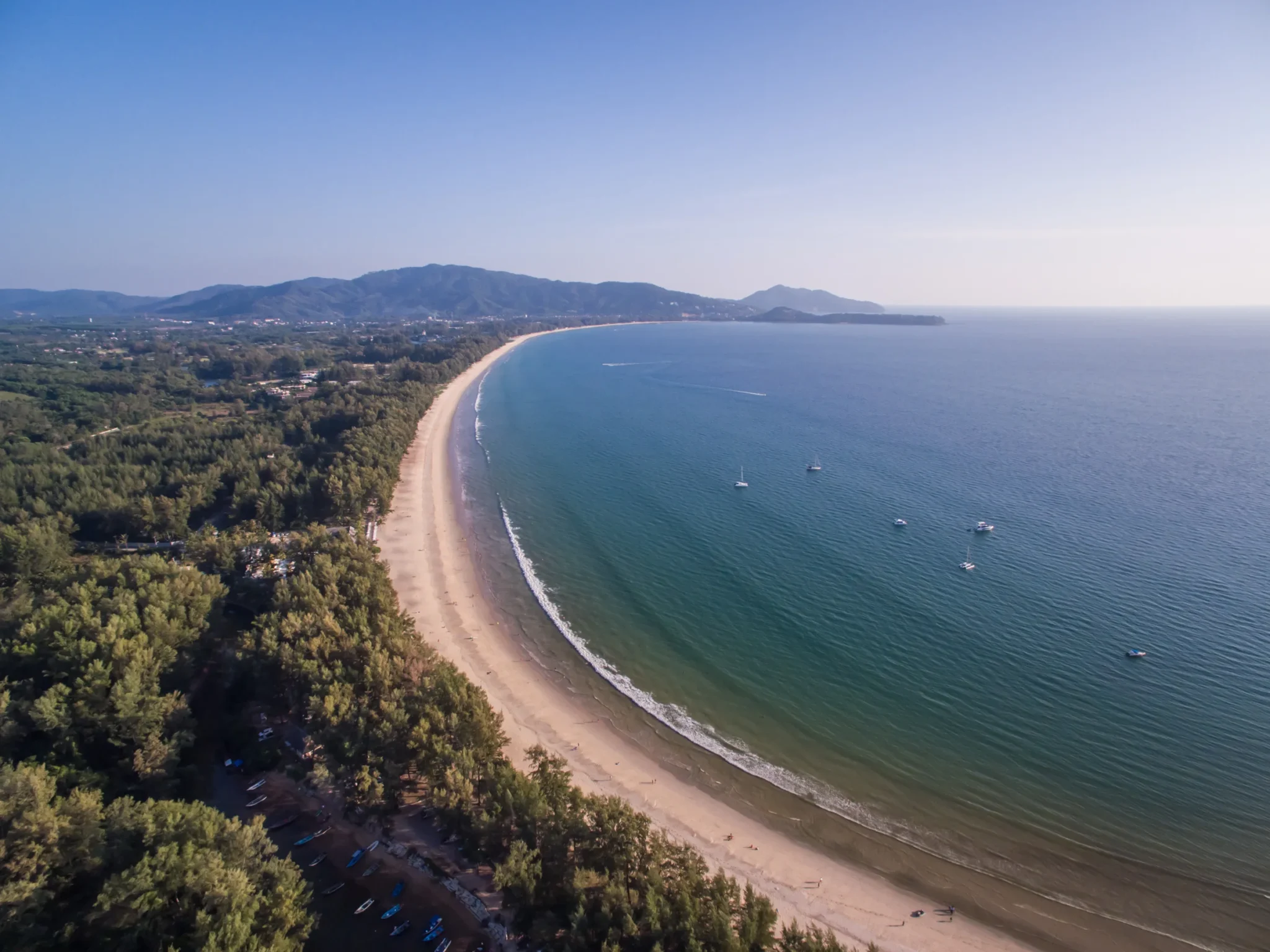
Living in Phuket is relaxed, sociable and easy to enjoy, and most people who move here stay for exactly that. I live in Bang Tao, and I spent years going back and forth before living here full time. This is how I’d describe it to a friend thinking about the move.
The pros of living in Phuket
Day to day, it’s relaxed. Coming from big-city life, this is the change you notice first. People are generally very happy, and it rubs off. Few people are in a rush, and after a few months you aren’t either.
The people. Living here full time showed me how much depth there is. You meet people from all walks of life, all ages and all levels of wealth. Some are building businesses, some are raising families, some are here to train and some have retired early. The crowd is far broader than the holiday picture suggests.
There’s always something on. If you want to go out on a Monday night, you can. Shops stay open late and you can get food delivered late. Dinners and social evenings are easy to fill, and there’s plenty of good food once you know where to go.
A good week is easy to build. Beaches, training, dinners with friends and a sauna, then a quiet weekend or a weekend away. Bangkok is a short flight, so city weekends are easy too. The gym and wellness scene is a big part of life here now, and I’ve written about my picks around Bang Tao.
Healthcare and schools. Private healthcare is very good and easy to get to; the hospitals and healthcare guide covers it. Families have a wide range of international schools, and newer villa estates are being built inland closer to them.
More house for your money. Housing and help at home are where Phuket still wins on cost. The cost of living in Phuket piece has the figures.
What takes getting used to
Traffic, at certain times. Certain roads get busy at certain times of day, and some months are busier than others. You don’t come to a tropical island expecting traffic, but once you live here you learn your routes and times and work around it.
Peak season gets lively. For a couple of months a year there are more tourists and more late nights on the streets. Where I live, it passes quickly.
Good groceries cost what they do at home. Produce at the quality you’d expect in Europe or Australia is expensive, and that surprised me. Local markets and Thai food cost far less.
Business runs at its own pace. When I started working here, I often got a “maybe” from lawyers, accountants and potential staff, or an answer to a different question. Some of that is language. I now work with excellent people, and finding the right ones early saves a lot of time. I’m happy to introduce the ones I use.
Plans are loose. Plans are often spontaneous, and a restaurant you love can taste different the next time you go. If you like a set routine, you’ll build your own, and plenty of people here do.
The rain. The green season brings a few properly rainy weeks. It’s far less than most people expect; the weather and seasons guide has the month-by-month picture.
Who Phuket suits, and who it doesn’t
Phuket suits people who like an easy pace, meeting new people and having options any night of the week. It suits families who live near their school and anyone who trains or looks after their health.
People who need structure and consistency find it harder, unless they bring that with them. Those on a full fight-camp schedule manage it. Most people learn to let go a little, and get a fun, beautiful place to live in return. If you’re deciding where on the island, start with where to live in Phuket.
Living in Phuket: the questions I get asked
Is Phuket a good place to live?
For most people who move here, yes. Life is relaxed, social and outdoors, with good private healthcare, international schools and something going on every night. Traffic on certain roads and a busy peak season take some getting used to.
Who is Phuket not suited to?
People who need structure and consistency. Plans change and things move at their own pace.
Does it rain all the time in Phuket?
No. The green season, roughly May to October, brings a few properly rainy weeks, and it’s far less than most people expect.
Is Phuket good for families?
Yes, especially if you live near your school. The island has a wide range of international schools, and newer villa estates are being built inland close to them.
What are the downsides of living in Phuket?
Traffic on certain roads at certain times of day, a busier, livelier couple of months in peak season, imported groceries at European or Australian prices, and a looser approach to plans and answers than city life.
The read
Phuket gives you an easier, happier pace of life, people with real depth and something to do every night of the week. It asks for a little patience on the roads and with plans. For most people who move here, that’s an easy trade.
Thinking about the move and want to talk through areas? Message me on WhatsApp: +66 93 760 8561.
Sources: Rex Butler’s own experience of living in Bang Tao; Butler Estates guides on cost of living, hospitals and healthcare, international schools, weather and seasons, and where to live in Phuket, November 2026.
Rex Butler, Managing Director, Butler Estates. This is general information, not legal, tax, immigration or investment advice. Take independent legal advice before committing to any purchase or lease in Thailand.
Looking for something specific?
Tell me what you need and I’ll come back with options that match. If I don’t have the answer to something, I’ll tell you, then I’ll go and get it. No obligation, no pressure.
Other Guides

Property for sale in this area
No data was found