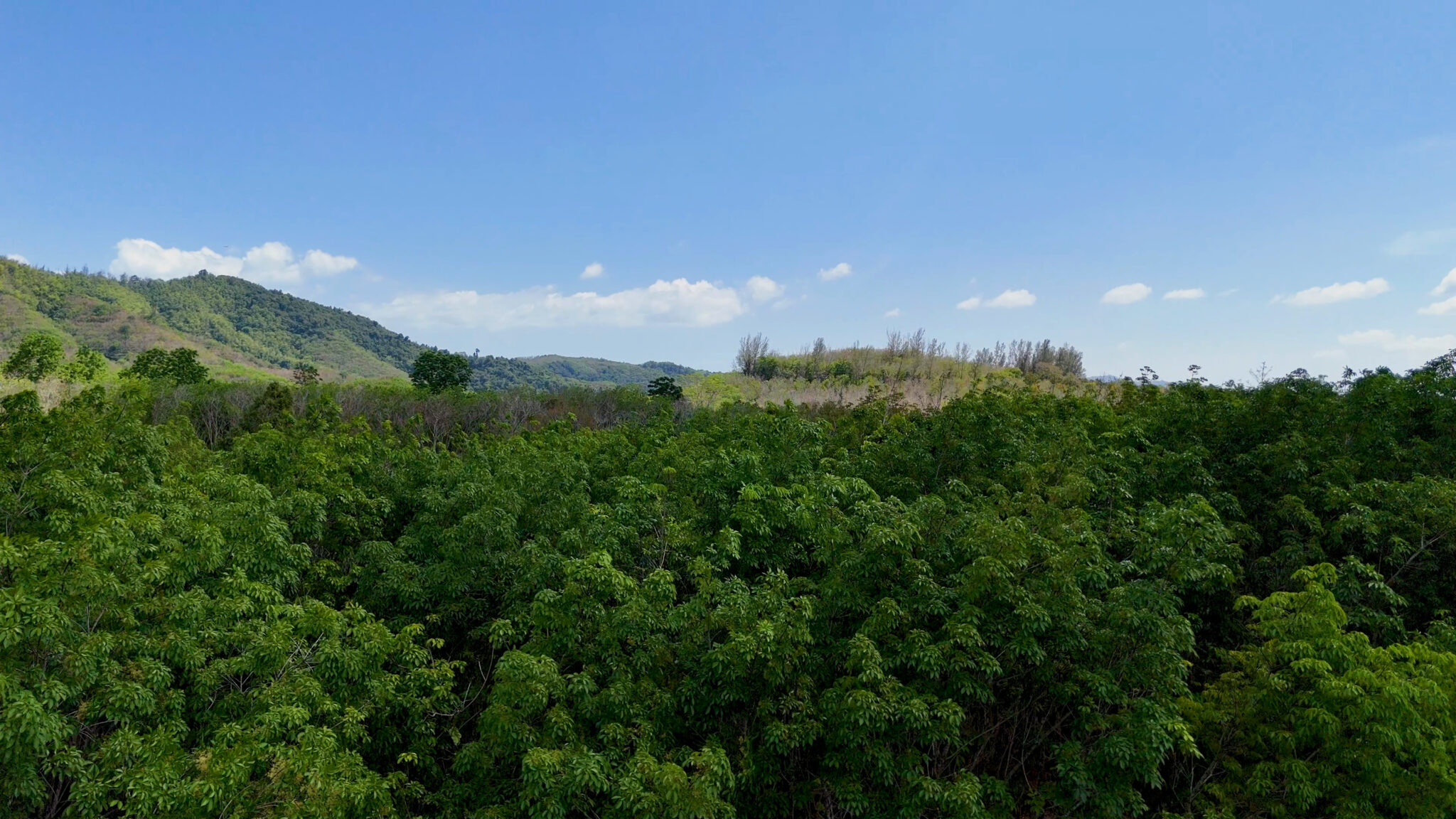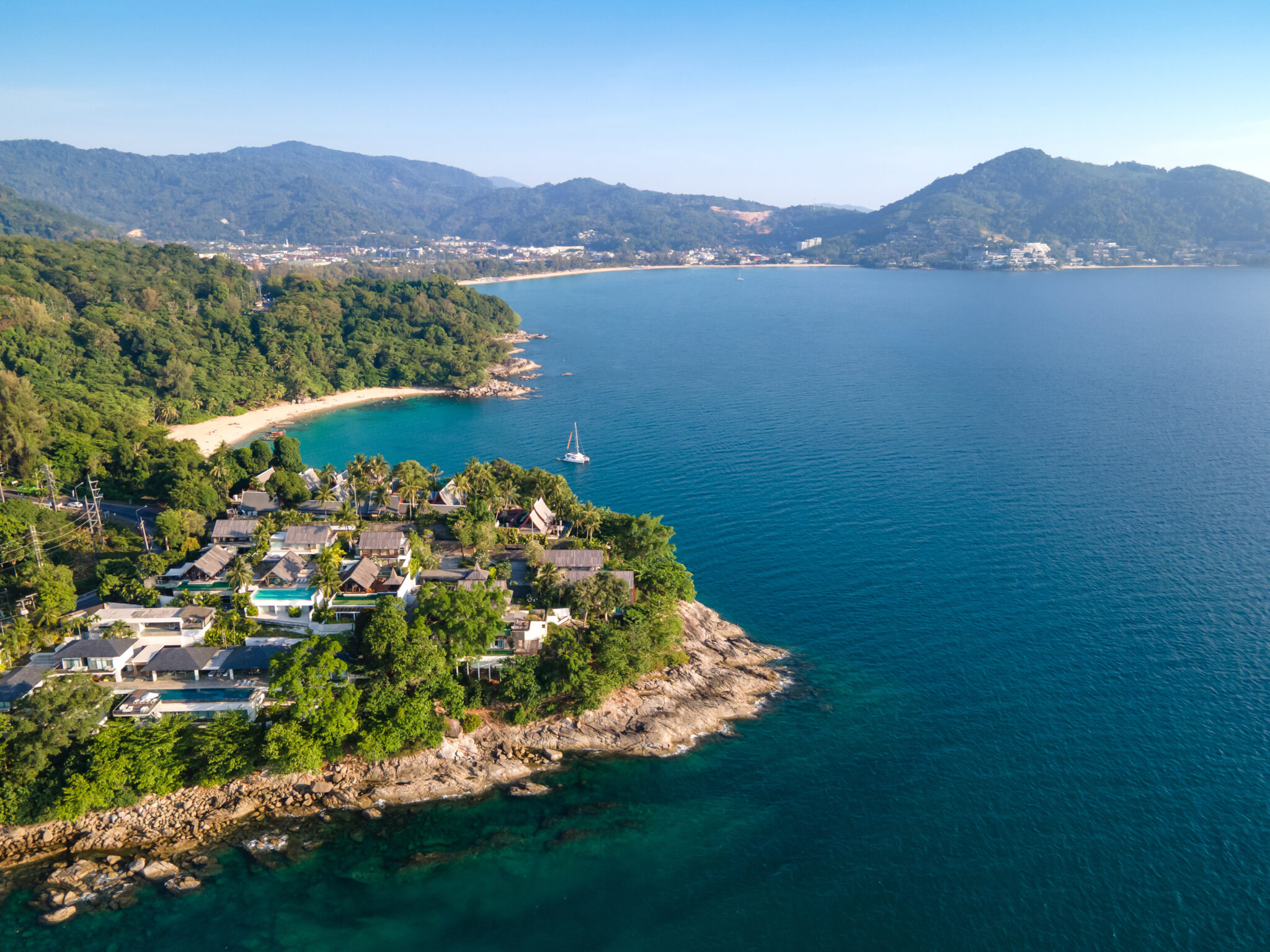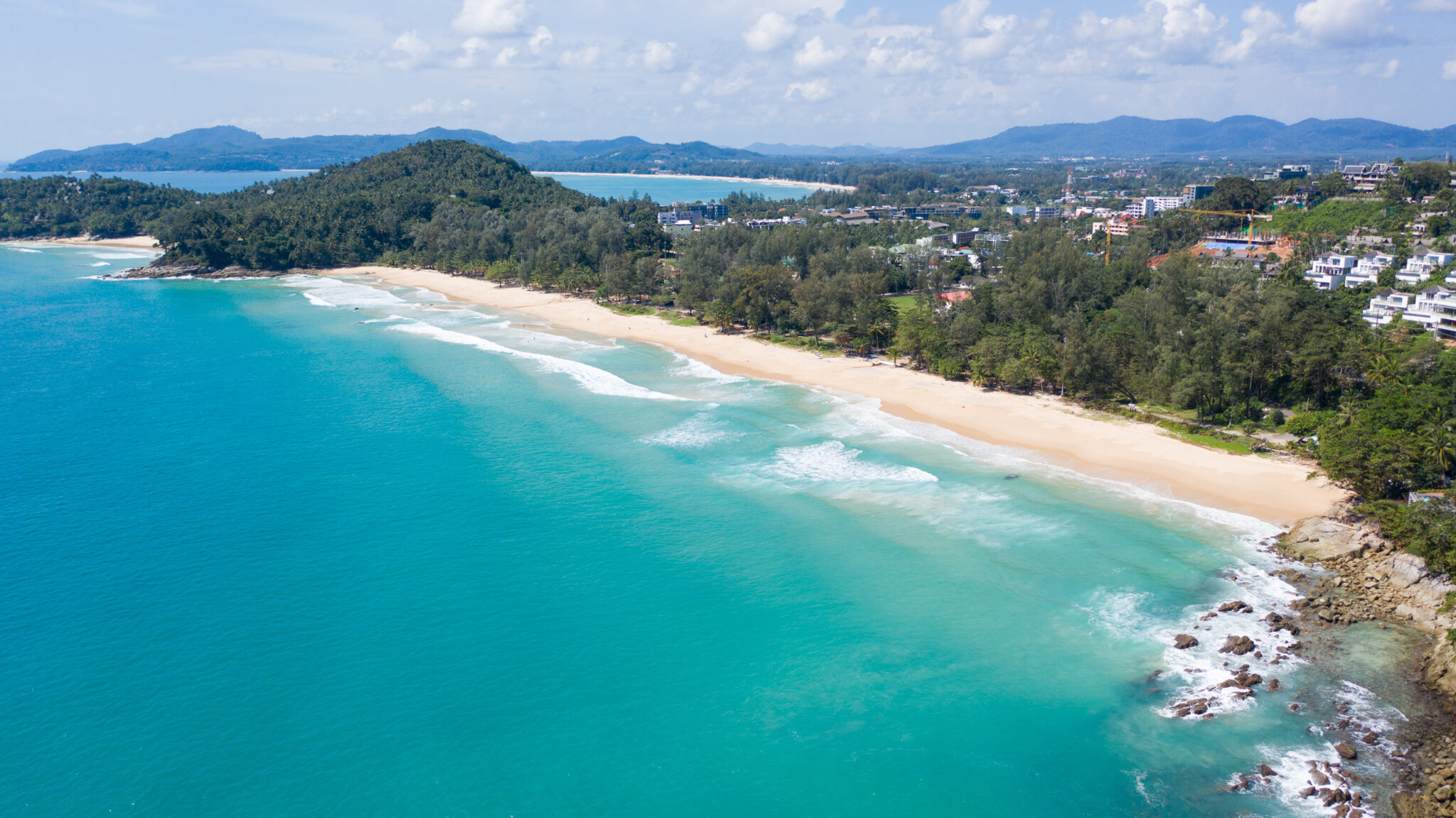

Pru Jampa is where Phuket’s villa boom went next. Five years ago this was quiet plantation country between the airport and the west coast; in 2024 it accounted for 19 percent of all villa sales on the island, second only to Cherng Talay. That is not a gradual evolution, it is a land rush, and it makes Pru Jampa the most important area in this series that most buyers have never heard of. This guide is about what is actually happening here, and whether you should be part of it.
The lifestyle
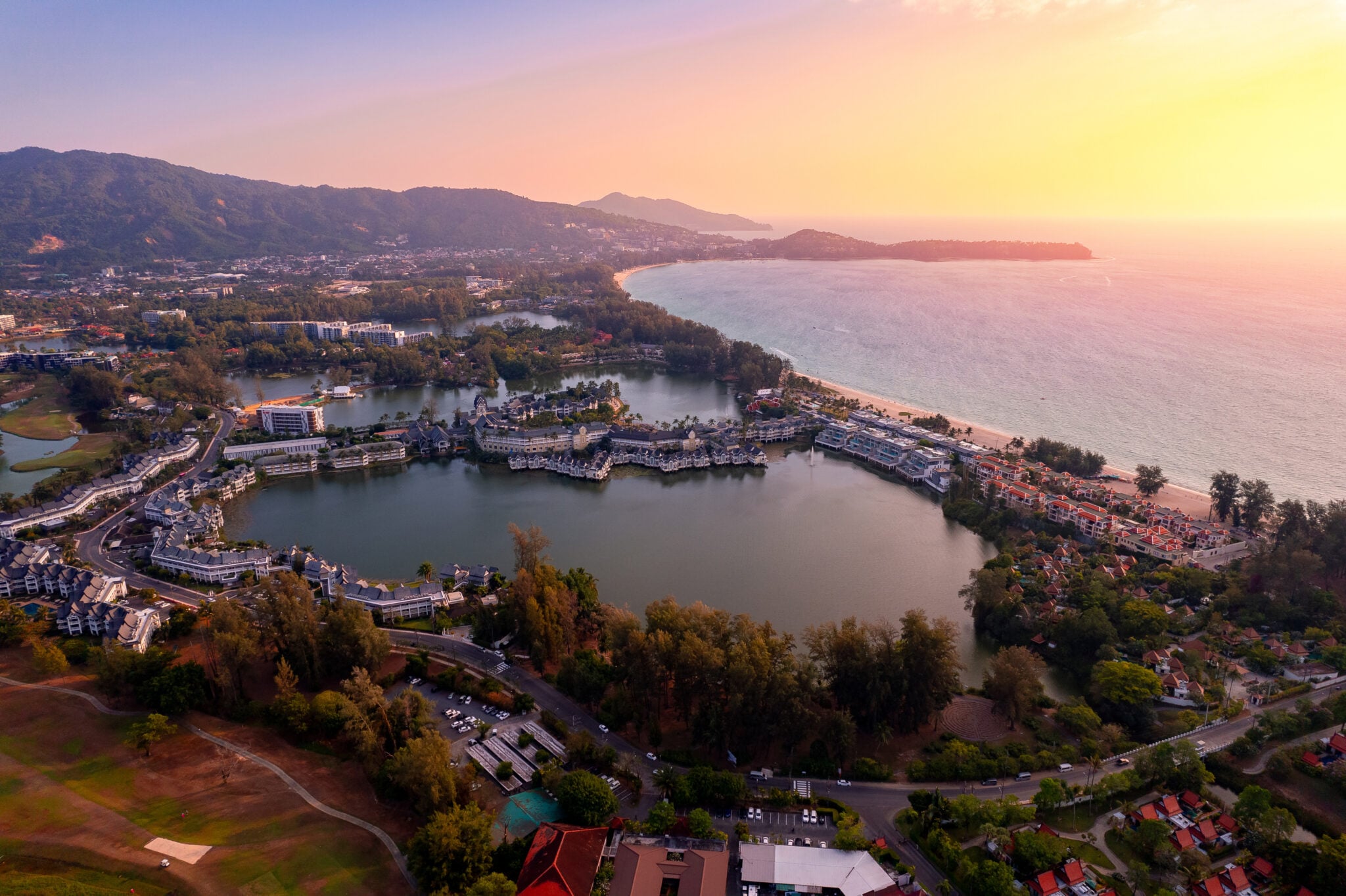
Honesty first: Pru Jampa does not yet have a lifestyle in the way the coastal areas do, because it is still becoming somewhere. The setting is genuinely lovely, green and low-rise, with lakes, forest and open country that the new estates are built into rather than over. The daily texture is local markets, quiet roads and construction hoardings in roughly equal measure, and anyone selling you a finished neighbourhood here is selling you a render.
What Pru Jampa has instead is position. The airport is about fifteen minutes away, the international schools corridor is on the doorstep, and Boat Avenue and the Bang Tao coast are fifteen to twenty minutes west. The area is buying its lifestyle from its neighbours while it builds its own, and for many of the families moving in, that trade works today and improves every year.
Who it suits
Pru Jampa suits the buyer who wants a new villa at the sharpest price the greater west coast offers and is comfortable arriving before the neighbourhood does. Families anchored to the schools who want more house and garden than Cherng Talay money buys. Frequent flyers, for whom this is the most convenient villa zone on the island. And off-plan buyers who understand what buying into an emerging area means, on both sides of the ledger.
It suits less well the buyer who needs the place finished: walkable restaurants, established streetscapes, a proven resale market. Those exist ten minutes west, at a materially higher price, and choosing between the two is really a choice about time. Pru Jampa is a bet that today’s construction sites are tomorrow’s established estates, and while the sales data suggests plenty of people are making that bet, it should be made with open eyes.
The property landscape
The market here is new-build villas, almost exclusively: project after project of three and four bedroom pool villas on generous plots, released in phases and selling fast enough to have made this the island’s second-busiest villa market. One quirk worth knowing: most property portals do not list Pru Jampa as its own area, folding it into the wider Thep Krasattri subdistrict instead, so searching by name gets you little. Within that wider subdistrict, median villa asking prices sit in the range of ฿16 million to ฿20 million, which for new pool villas of this size is the value story in a single number.
The homework matters more here than anywhere else in this series. An emerging area means developers of every calibre working side by side, resale history that is only a few years deep, and infrastructure that is catching up with the building. Track record, build quality, title diligence and realistic completion timelines are the whole game in Pru Jampa, and the difference between the best and worst operators here is wider than the price difference between them.
Renting in Pru Jampa
The rental market is as young as the area, and growing with it. Demand comes from families around the schools, airport-linked professionals and long-stayers hunting value, and supply arrives in waves as each new estate completes. Median asking rents in the wider subdistrict sit around ฿50,000 a month, with newer family villas above that and simpler houses below. My own rental work sits at the villa end of that range; the numbers here describe the market, not my list.
For owners, the honest read is that Pru Jampa is a long-term rental play, not a holiday one. Tenants here are residents, they stay longer, and the September to October window ahead of the school year and high season is when the serious ones commit.
Looking to rent in Pru Jampa, or own a villa here and want a straight read on what it would command? Message me on WhatsApp.
Getting around
Position is Pru Jampa’s strongest card. The airport sits about fifteen minutes north, the schools corridor is immediately to hand, and the Bang Tao coast is fifteen to twenty minutes west. And here is the counterintuitive part, noticed from driving these roads rather than reading a map: because you approach Boat Avenue and the coast from the north, skipping the congested heart of Cherng Talay, the run into Bang Tao is often quicker from Pru Jampa than from the deeper parts of Cherng Talay itself. The main island arteries are close, which cuts both ways: convenient for getting anywhere, busy at peak hours with everything crossing the island.
The honest caveats: you will share the roads with construction traffic for years yet, the road network inside the area is still maturing, and there is currently little to walk to. Visit at different times of day before committing, and look hard at what is planned around any villa you like, because in an area building this fast, the empty land next door will not stay empty.
Buying and renting here: the practical part
The essentials in brief, because the detail belongs with your lawyer and in the dedicated guides. Foreign buyers can own condominium units freehold under Thailand’s Condominium Act, within the 49 percent foreign ownership quota per building, with purchase funds remitted from abroad and documented. Villas sit on land, which foreigners cannot own, so villa purchases are typically structured as a registered 30-year lease. Following the Thai Supreme Court’s 2025 ruling, treat 30 years as the term: pre-agreed renewals beyond it are not enforceable, whatever the brochure says, and a purchase should be priced on that basis. Rental agreements over three years must be registered to be enforceable beyond three.
None of this is a reason to avoid Pru Jampa. It is a reason to structure properly, use an independent lawyer rather than the seller’s, and work with someone who will tell you the position straight. I cover ownership structures and the full cost picture in separate guides: Foreign Ownership in Phuket: How It Actually Works and What Buying in Phuket Actually Costs.
Talk to me about Pru Jampa
I live and work on this side of the island, and I watch this area closely. If you are weighing a Pru Jampa project against the established corridor, or want an honest read on a specific developer or release, get in touch. No obligation, no sales pitch.
Message me on WhatsApp or send an enquiry through the contact page.
Rex Butler Founder & Principal Advisor, Butler Estates rex@butlerestates.com
This guide is general information, not legal or tax advice. Ownership structures, fees and taxes depend on your circumstances and change over time. Take independent legal advice before committing to any purchase or lease in Thailand.
Looking for something specific?
Tell me what you need and I’ll come back with options that match. If I don’t have the answer to something, I’ll tell you, then I’ll go and get it. No obligation, no pressure.