
Thalang is where your budget goes furthest on Phuket, and increasingly where the island’s growth is heading. This is the inland heartland north of the resort coast: open country, established Thai communities, the historic centre of the island around the Heroines Monument, and a spreading map of villa projects for buyers who measure value in land and floor area rather than distance to a beach club. If the west coast guides in this series are about lifestyle addresses, Thalang is about space, practicality and price, and for a growing number of buyers that is exactly the point.
The lifestyle
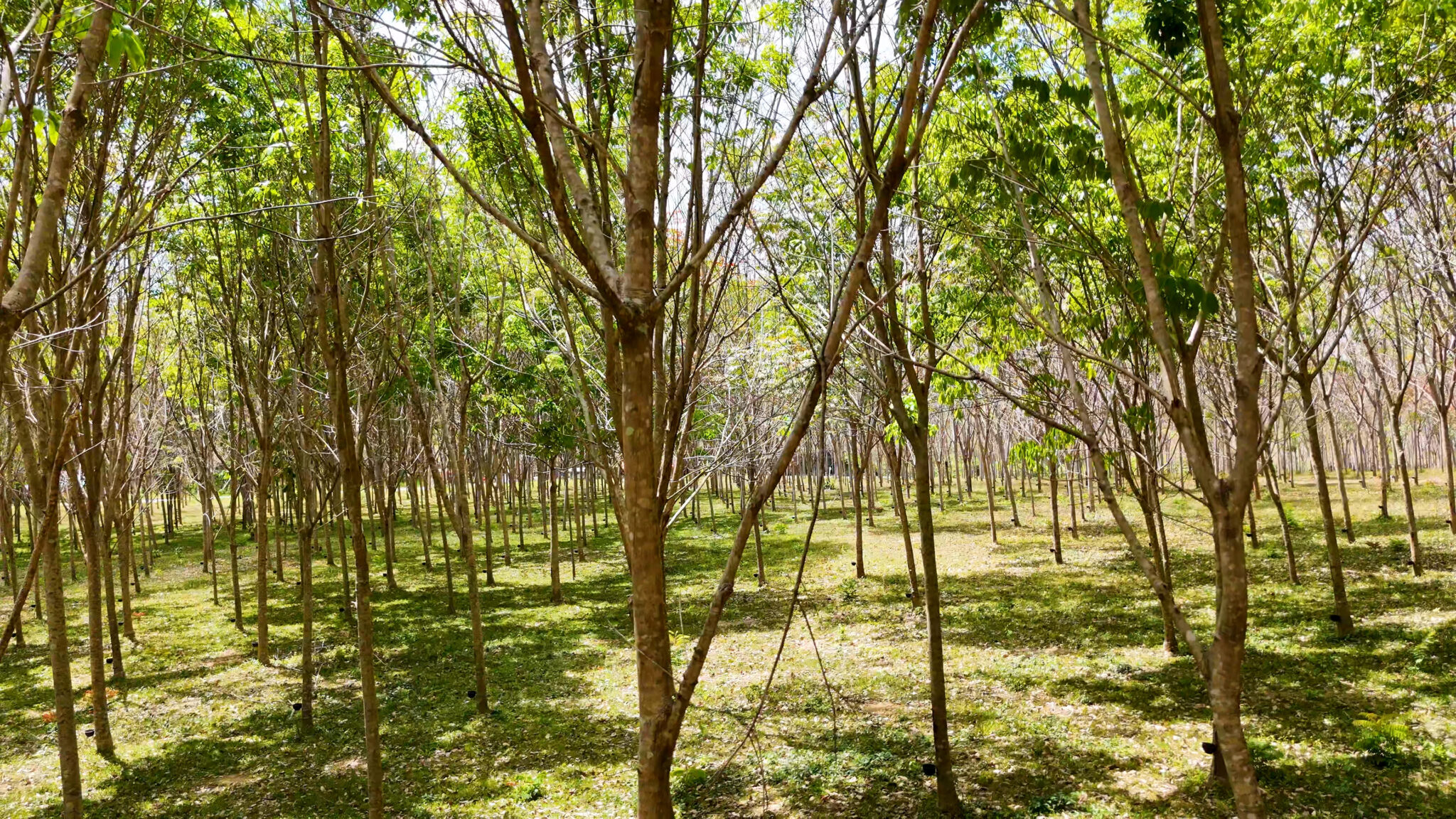
Life in Thalang is the least resort-like on the island, and residents tend to like it that way. This is working Phuket: local markets, everyday shopping, and neighbourhoods where Thai family life carries on as it has for generations, increasingly alongside international families who have chosen the same thing for the same reasons. The green is real here, with parkland, plantation country and the island’s quieter interior roads.
The international dimension is growing fast, and schools are the engine. Phuket’s international school market has grown 51 percent in three years, with eighteen schools expected island-wide by August 2026, and the Thalang corridor holds a meaningful share of that growth. For many families the daily geography now runs school, home, activities, all inland, with the beach as a weekend destination rather than a daily backdrop.
Who it suits
Thalang suits the buyer optimising for space and value: a bigger villa, a bigger garden, and a materially lower price than the same specification would command toward the coast. Families anchored to the schools corridor. Full-time residents who want a home rather than a holiday asset. Buyers who fly often, since the airport sits closer to much of Thalang than to any of the beach addresses.
It suits less well the pure lifestyle buyer or the investor chasing short-stay rental income, because the tenant and holidaymaker demand that drives the coastal corridor thins out inland. And if your picture of Phuket ownership includes walking to the sea, Thalang is not that, and it does not pretend to be.
The property landscape
Thalang is the island’s volume value market: new villa projects releasing steadily, generous plots by west coast standards, and a growing resale layer as earlier estates mature. Island-wide, villa sales rose 12.9 percent in 2025 with villas outperforming condominiums as buyers prioritise space, privacy and long-term value, and Thalang is arguably the purest expression of that shift: this is where space per baht is best.
Thalang covers more ground than any other area in this series, stretching from the island’s historic centre up toward the airport, so a single entry price means less here than anywhere. The more useful anchor is the middle of the market: the median villa price in Thalang sits around ฿14 million, with older and simpler stock below it and family-scale new projects and larger estates ranging above. Condominium stock is limited; this is villa and house territory. The value case is genuine, but so is the homework: development quality varies more widely here than on the coast, and developer track record, build quality and title diligence deserve more scrutiny inland, not less.
Renting in Thalang
Thalang’s rental market runs on residents rather than holidaymakers: teachers, families around the schools, airport and hospitality staff, and long-stayers who want space at a sensible number. Roughly 71 percent of all property demand island-wide is to rent rather than buy, and while the deepest demand pool sits in the coastal corridor, inland demand is steady and less seasonal.
Ranges here are honest ranges, because Thalang’s sheer size makes a single figure meaningless. The median villa rent sits around ฿85,000 a month, with the widest spread on the island around it: simple houses well below, substantial family villas above. My own rental work sits at the villa end of that range; the numbers here describe the market, not my list. For owners, the tenant profile inland tends to be longer-staying and lower-maintenance than the holiday corridor, which is worth something even when the headline rent is lower.
Looking to rent in Thalang, or own a property here and want a straight read on what it would command? Message me on WhatsApp.
Getting around
Thalang’s position is quietly excellent. Phuket International Airport sits fifteen to twenty minutes from most of the area, the schools corridor is on the doorstep, and the main north-south roads put both coasts within reach: the Bang Tao corridor’s shopping and beaches roughly twenty minutes west, and the island’s east side a similar run the other way. The road network inland continues to improve, and Thalang benefits from those upgrades more directly than anywhere else on the island.
The honest caveats: you drive for everything, distances between daily stops are longer than they look on the map, and the main arteries carry heavy through-traffic at peak hours because everything crossing the island uses them. Thalang is convenient to everywhere and walkable to almost nothing, and that trade should be a conscious one.
Buying and renting here: the practical part
The essentials in brief, because the detail belongs with your lawyer and in the dedicated guides. Foreign buyers can own condominium units freehold under Thailand’s Condominium Act, within the 49 percent foreign ownership quota per building, with purchase funds remitted from abroad and documented. Villas sit on land, which foreigners cannot own, so villa purchases are typically structured as a registered 30-year lease. Following the Thai Supreme Court’s 2025 ruling, treat 30 years as the term: pre-agreed renewals beyond it are not enforceable, whatever the brochure says, and a purchase should be priced on that basis. Rental agreements over three years must be registered to be enforceable beyond three.
None of this is a reason to avoid Thalang. It is a reason to structure properly, use an independent lawyer rather than the seller’s, and work with someone who will tell you the position straight. I cover ownership structures and the full cost picture in separate guides: Foreign Ownership in Phuket: How It Actually Works and What Buying in Phuket Actually Costs.
Talk to me about Thalang
I live and work on this side of the island. If you are weighing Thalang against the coastal areas, looking for a twelve-month rental, or want an honest read on a specific villa or project, get in touch. No obligation, no sales pitch.
Message me on WhatsApp or send an enquiry through the contact page.
Rex Butler Founder & Principal Advisor, Butler Estates rex@butlerestates.com
This guide is general information, not legal or tax advice. Ownership structures, fees and taxes depend on your circumstances and change over time. Take independent legal advice before committing to any purchase or lease in Thailand.
Looking for something specific?
Tell me what you need and I’ll come back with options that match. If I don’t have the answer to something, I’ll tell you, then I’ll go and get it. No obligation, no pressure.