
Thailand Property Due Diligence Checklist: What to Check Before You Buy in Phuket
The short version
- Due diligence on a Phuket purchase checks five things before signing: the title, the seller, the building, the ownership structure and the contract
- An independent Thai property lawyer does the legal checks, for roughly ฿50,000 to 100,000 depending on the property and how it is held
- Pay for every check before the deposit; a villa lease runs up to 30 years and renewals are not enforceable as a right
Thailand property due diligence means checking five things before you sign the contract: the title, the seller, the building, the ownership structure and the contract. The main risks of buying property in Thailand as a foreigner sit in those five places, and each one has a check that removes it. The wider list, including nominee structures, succession and rental rules, is in my guide to the risks of buying property in Thailand as a foreigner. A foreigner can own a condo freehold within the building’s 49 percent foreign quota and can hold a villa on a registered lease of up to 30 years, but cannot own land, so a condo, a leasehold villa and an off-plan purchase each add checks of their own. This is the list to work through with your lawyer on a Phuket purchase.
Last reviewed: 8 November 2026.
Want the short version? The Download PDF button at the top of this page is a one-page tick list of every check below, to print or keep on your phone. This page explains each check; the PDF is the list to work through with your lawyer.
The risks of buying property in Thailand, and the check for each
| The risk | The check | Who does it |
|---|---|---|
| The seller does not own the property, or it is mortgaged | Title search at the Land Department | Your lawyer |
| The building has no permit, or differs from what was permitted | Permits compared with what was built | Your lawyer |
| There is no legal way in | Access road is public, or has a registered right of way | Your lawyer |
| The condo is at its foreign quota | Quota position in writing from the juristic office | Your lawyer |
| The lease is shorter than the listing says | Registered term at the Land Department | Your lawyer |
| The developer does not finish | Land, funding, payment schedule, completed projects, delay terms | Your lawyer |
| The company you are buying has a history | Corporate due diligence on top of the property checks | Your lawyer |
| The contract differs from what was agreed | The agreement read against the agreed terms | Your lawyer |
Due diligence sits between the reservation and the sale and purchase agreement. It is step 8 of the twelve in How to Buy Property in Phuket as a Foreigner: Step by Step, and it is the step I would never trim.
Checks on every purchase
- The title deed. For land, a Chanote is the highest form of title and the one you want. Your lawyer checks it at the Land Department.
- Mortgages and encumbrances. Anything registered against the title is found in the search, before you are committed.
- The seller. The seller is who the deed says.
- Permits. The building has its permits and matches what was built.
- Access. The road to the property is public or has a registered right of way.
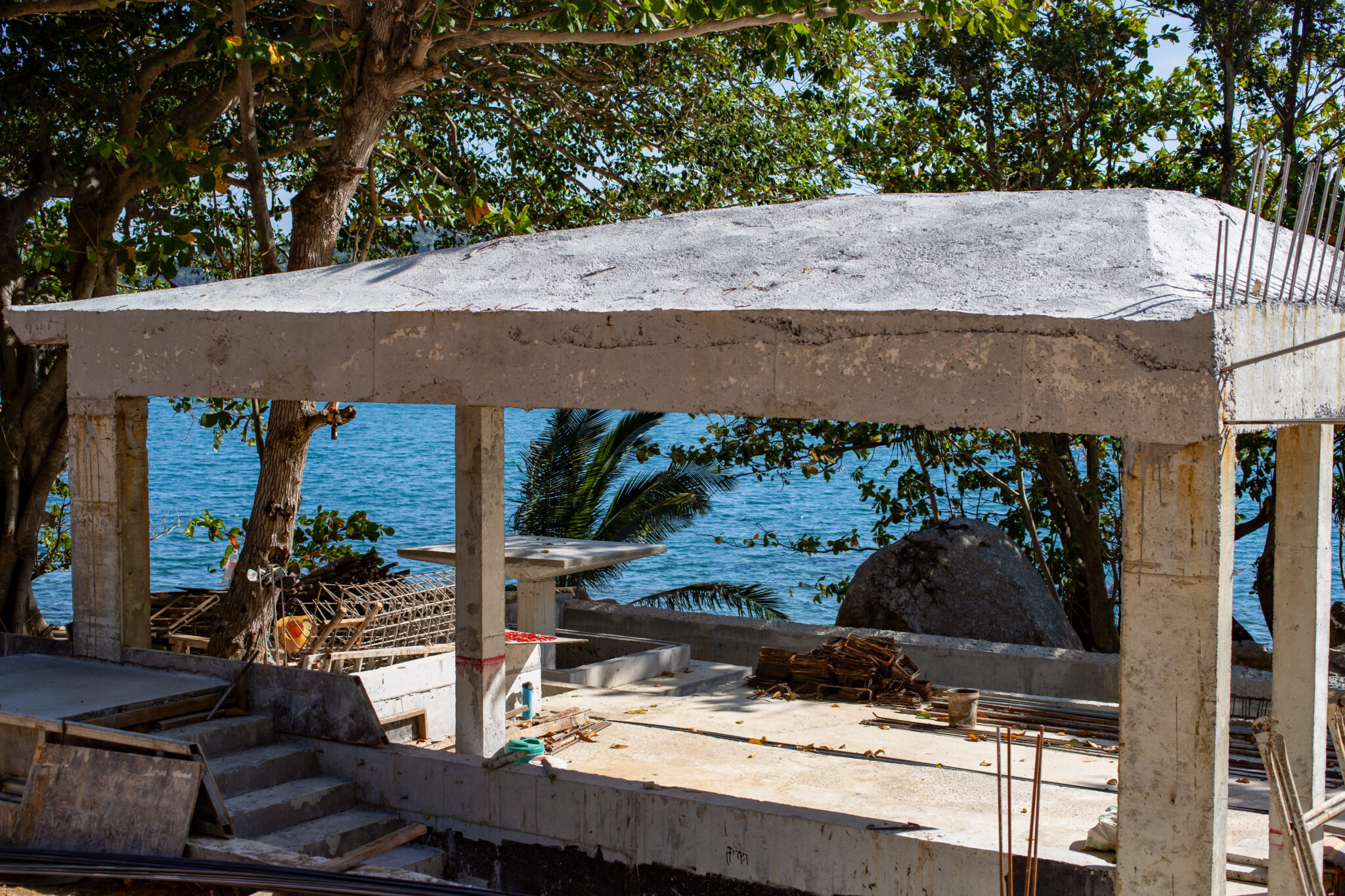
- The building itself. On a resale, have an independent engineer or building inspector look at the roof, the waterproofing, the pool plant and how the last renovation was done. The tropics age a building quickly.
- The cost of owning it. Running costs go into the budget before the offer. The figures are in What Buying in Phuket Actually Costs.
- The reservation terms. Some reservation fees are refundable if due diligence fails and some are not. The difference is one sentence in the document, so take legal advice before you pay the fee.
- The fee split. Who pays which fee at transfer goes into the contract in writing.
Extra checks for a condo
- The foreign quota. No more than 49 percent of the total floor area of the units in a registered condo can be foreign-owned. Have the building’s position confirmed in writing by the juristic office before you commit.
- The funds. The purchase money must come into Thailand from abroad in foreign currency. Your Thai bank keeps a record of the incoming transfer, a Foreign Exchange Transaction form or a credit advice depending on the bank and the amount (see bringing money into Thailand). The Land Department will not register the unit in a foreigner’s name without it.
- The building’s accounts. Ask for the juristic person’s accounts and the sinking fund balance. An under-funded building is likely to raise a special assessment later.
- The fees. Common area fees and sinking fund contributions vary more between buildings than most buyers expect.
How freehold condo ownership works is set out in Foreign Ownership in Phuket: How It Actually Works.
Extra checks for a leasehold villa
- Registration. A lease of more than three years must be registered at the Land Department to be enforceable beyond three. The lease is registered on the land title deed at transfer.
- The term. Thai law caps a lease at 30 years. The Supreme Court ruled in Judgment 4655/2566 that renewals promised in the same agreement are void, so value the villa as a 30-year asset.
- The term remaining. A resale sells you the years left on the existing lease. Check the registered term at the Land Department and ignore the number in the listing.
- The landowner. Find out whether the landowner is the original developer or someone who bought the land later, and what they have done with leases that have already come up.
- The rights in the lease. A right of first refusal if the land is sold, the right to assign, the right to sublet, and succession rights for your heirs. They improve your position within the term without extending it.
- Succession. A lease ends with the lessee unless the agreement says otherwise. I cover it in the leasehold succession piece.
The longer answer is in Is a 30-Year Lease in Thailand Safe?.
Extra checks for off-plan
Off-plan is a contract with a developer, so the checks are on the company as much as the property. Your lawyer adds the developer’s company registration, the title to the land under the project and the construction permit. Put five questions to the developer before you pay a reservation fee, and have your lawyer check the answers:
- Who owns the land? Ask to see the title deed and check whose name is on it.
- Where does the construction money come from? The developer’s capital, a bank facility, or buyers’ stage payments. Thailand’s escrow law is voluntary, so ask whether the project uses it.
- What does the payment schedule tell you? The flag is a large payment before the ground is broken, with the rest tied to progress that nobody independent certifies.
- What have they finished? Count only completed projects, and go and stand in one built by the same company.
- What happens if they are late, or stop? The contract should give a completion date, a defined grace period, what you are owed if it is missed, and how you get your money back.
Each question is explained in Will This Developer Finish Your Villa?, and the payment mechanics are in Buying Off-Plan in Phuket: The Questions That Matter. In the agreement itself, read the defects period after handover and exactly when the title or lease is registered in your name. Thai courts work from the Thai text, so a bilingual contract should state which version prevails.
Extra checks when a villa is sold with the company
Some villas are sold by transferring the shares of the Thai company that owns the land. When you buy a company you buy its history: its liabilities, its tax position and its filings. That needs corporate due diligence on top of the property checks. With a legitimate structure and full due diligence, it can work. A company with stand-in Thai shareholders, set up only to hold a house, is a nominee structure. That is illegal, the authorities are enforcing against it, and I explain what changed in the nominee company piece.
Who does each check
Your lawyer does the legal checks. That means an independent Thai property lawyer you engage yourself, separate from anyone recommended by the seller’s side. Budget roughly ฿50,000 to 100,000 (about USD 1,500 to 3,000), depending on the property and how it is held. A condo sits at the lower end, a company structure at the top.
I usually supply the documents, chase the seller’s side for what is missing, and put the lawyer’s report into plain terms. Buyers pay nothing for this; the seller or developer pays on completion.
You see the property, or watch a video walk-through, and read the refund sentence in the reservation yourself. Then decide the next morning, on paper. The most common mistakes are in Common Mistakes Foreign Buyers Make in Phuket.
If you are selling
A buyer’s lawyer will run this same list on your property. If you are selling a leasehold villa, go to the landowner before you list and get the renewal position in writing, with the fee. When I walk a property with an owner I say how a buyer will judge it. How a sale works is in Listing Your Phuket Property, and the seller’s costs are in What Does It Cost to Sell a Property in Phuket?.
Thailand property due diligence: questions buyers ask
What is due diligence on a property in Thailand?
It is the set of checks made on the title, the seller, the building, the ownership structure and the contract before you are committed. An independent lawyer engaged by the buyer does the legal part.
Which risks does due diligence in Thailand cover?
A seller without clean title, a building without permits, no legal access, a condo at its foreign quota, a lease valued for longer than 30 years, a developer who does not finish, and a company bought with its history. Each has a check in the table above.
When is due diligence done?
After the reservation and before you sign the sale and purchase agreement. Take legal advice on the reservation agreement before you pay the fee.
How much does it cost?
Legal fees run from roughly ฿50,000 to 100,000 (about USD 1,500 to 3,000), depending on the property and how it is held.
What is a Chanote?
The highest form of land title in Thailand, and the one to look for on a villa plot.
Do Thai buyers need due diligence too?
Yes. A defective title or a badly drafted contract exposes a Thai buyer in the same way.
Can I do the checks myself?
You can see the property and read the contract. The title, permit and company checks are the lawyer’s job, and the paperwork is in Thai.
The read
This list is what you would check at home, in a system where the paperwork is in Thai. Pay for every check before the deposit.
The one-page tick list is the Download PDF button at the top of this page.
If you have a property in mind and want to talk it through before you commit, message me on WhatsApp: +66 93 760 8561.
Sources: Condominium Act B.E. 2522, sections 19 bis, 19(5) and 19 ter (foreign ownership quota, foreign-currency requirement and proof of funds); Land Code (foreign ownership of land); Civil and Commercial Code, sections 538 and 540 (lease registration and the 30-year cap); Supreme Court Judgment 4655/2566, decided 2023 and published 2025 (Addleshaw Goddard summary, 10 March 2025); Escrow Act B.E. 2551, use of which remains voluntary (ThaiLawOnline, 2026); Bank of Thailand foreign exchange rules on proof of inward remittance, with the bank issuing an FET form or a credit advice depending on the bank and the amount (ThaiLawOnline, checked November 2026). Legal fee range from Aster of Asia’s 2026 due diligence guide; USD conversions at about ฿33.6, November 2026.
Rex Butler, Managing Director, Butler Estates. This is general information, not legal, tax or investment advice. Take independent legal advice before committing to any purchase or lease in Thailand.
Looking for something specific?
Tell me what you need and I’ll come back with options that match. If I don’t have the answer to something, I’ll tell you, then I’ll go and get it. No obligation, no pressure.