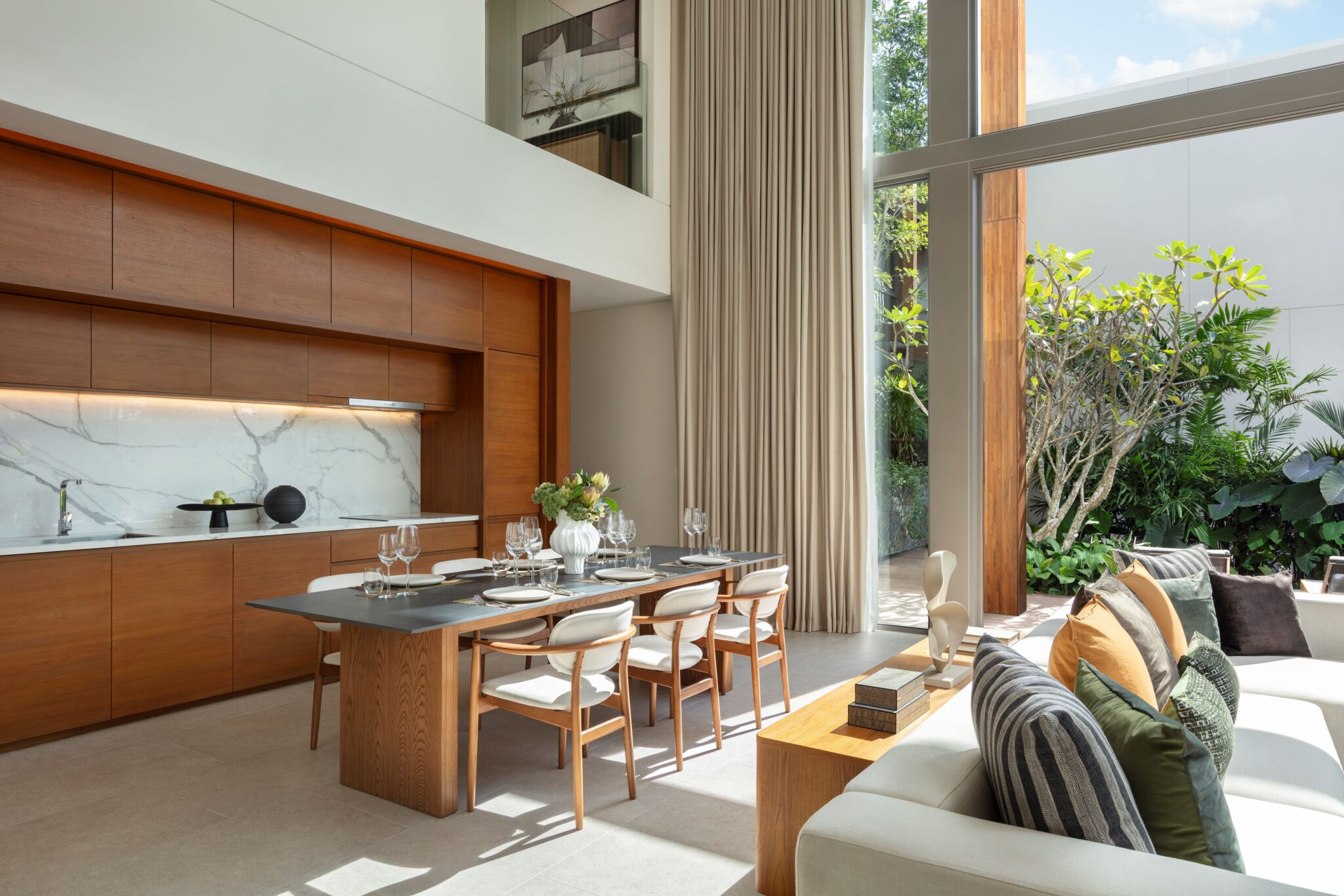

Many of the tenants I work with are navigating Phuket’s rental market for the first time. The market here has its own conventions, and knowing them before you start saves money, time and at least one avoidable argument about a deposit. Here are the questions I answer most, answered once, properly.
How long is a standard lease?
Twelve months is the standard long-term lease in Phuket, and it is where the best pricing sits. Shorter terms exist, six months and even three, but they price closer to holiday rates because the owner carries more turnover risk. One legal point worth knowing: a lease longer than three years must be registered at the Land Department to be enforceable beyond three. For a normal twelve-month lease this does not apply, but if you are offered a multi-year agreement, registration is the difference between a right and a promise.
What will I pay to move in?
The standard structure is a security deposit of two months’ rent plus the first month in advance, so budget three months’ rent to get keys. Some owners of premium villas ask for more; some will soften for a strong tenant on a longer commitment. The deposit is held against damage and unpaid bills, not as free option money for the owner, and the lease should say exactly that.
What does the rent include?
Less than most tenants assume, and it varies property to property, so confirm rather than presume. Long-term villas here typically come furnished. Pool and garden maintenance are often included in villa rents, because owners would rather pay for proper care than discover a green pool at handback. Utilities are almost never included: electricity, water and internet sit on top of the rent, and electricity in a villa with air conditioning and a pool pump is a real number that deserves a place in your budget.
One check worth making before you sign: confirm the rate per unit you will be billed for electricity, not just that you will be billed. Some owners and management companies apply their own multiplier on top of the utility rate, a quiet way of adding margin, and on a villa’s consumption the difference is real money over a year. Ask what rate you will pay and how the meter is read, and ask for recent utility bills; a straight owner will show you both without hesitation.
When should I start looking?
The strongest window for twelve-month leases is September and October, ahead of the high season. Availability is at its widest and owners are most motivated to lock in a year of income before the short-stay season tempts them. From December onward, long-term stock thins out and pricing hardens. If your dates are fixed, start looking six to eight weeks out; good villas at fair prices move quickly, and in season they move in days.
Do I pay an agency fee as a tenant?
No. In Phuket the owner pays the agent’s commission, so my service costs a tenant nothing. What you should expect in return for the owner’s money is an agent who has actually seen the property, tells you the drawbacks as well as the selling points, and stays reachable after you have the keys. If an agent asks you for a fee to be shown rental property, walk away.
Can I negotiate?
Usually, within reason. The levers that genuinely move an owner: a longer commitment, payment of several months up front, flexibility on start date, and presenting as a stable, low-maintenance tenant. Timing matters too; the same villa negotiates differently in October than in January. What rarely works is a bare lowball on a well-priced property in season. The best stock does not need to chase tenants.
What about pets?
Owner by owner, and always declared up front. Some villa owners are relaxed, many are not, and discovering an undeclared dog at an inspection is the fastest way to lose a deposit and a reference at the same time. If you have pets, tell me first; it narrows the list honestly rather than wasting viewings.
How do I protect my deposit?
Three things. First, a proper condition report at move-in, with photographs, signed by both sides; walk the property and record everything, because what is not recorded at the start becomes arguable at the end. Second, a lease that states what the deposit covers and when it is returned. Third, reasonable care and honest communication during the tenancy; owners here respond well to tenants who report a problem early rather than leaving it to be discovered.
What documents do I need?
A passport, and in some cases the owner will want to see your visa status. That is usually the entire pack. What matters more than paperwork is speed and decisiveness: in season, the tenant who can view, decide and transfer a deposit inside a few days gets the villa, and the tenant who needs two weeks to think usually gets the second-choice property.
Ready to look?
I handle a small portfolio of quality long-term rentals across Phuket’s west coast, and if I do not have the right property I will say so rather than show you the wrong one. Tell me your dates, budget and non-negotiables and I will give you a straight read on what the market can do.
Message me on WhatsApp or send an enquiry through the contact page.
Rex Butler Founder & Principal Advisor, Butler Estates rex@butlerestates.com
This guide is general information, not legal advice. Lease terms vary and the specifics of your agreement are what bind. For anything unusual, take independent legal advice.
Looking for something specific?
Tell me what you need and I’ll come back with options that match. If I don’t have the answer to something, I’ll tell you, then I’ll go and get it. No obligation, no pressure.