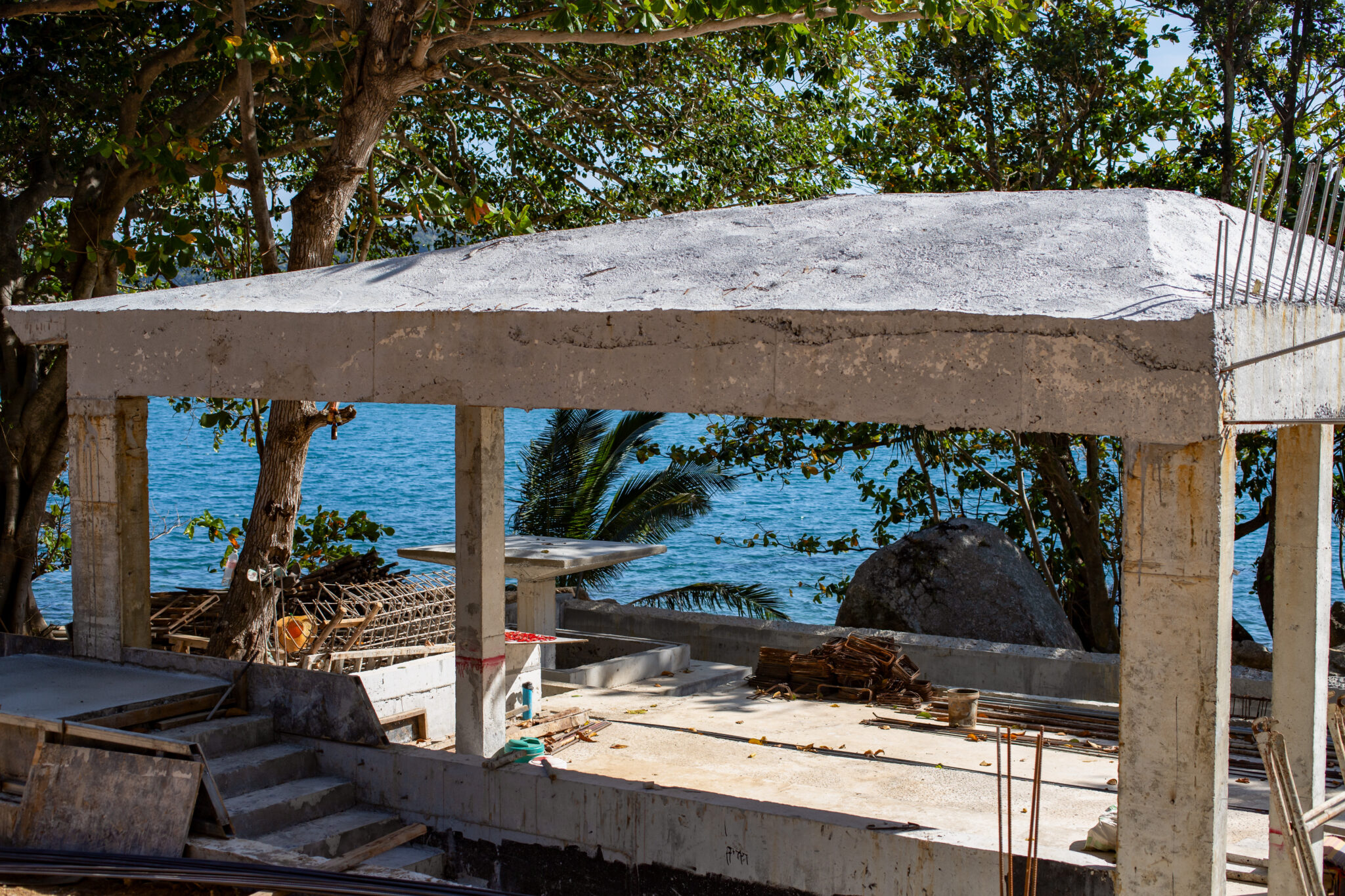

A large share of what sells in Phuket now sells off-plan, particularly villas in the growth corridors, and the marketing around it is uniformly confident. The reality is that off-plan can be the best value in the market or the most expensive mistake available, and the difference is rarely the project’s renders. It is the questions you ask before the reservation fee leaves your account. I spent most of my sixteen years in property working directly with builders, inside major building firms, and I have overseen hundreds of off-plan projects from first meeting to handover. These are the questions that matter, answered from that seat.
Why buy off-plan at all?
Three genuine reasons. Price: developers fund construction partly from buyer payments, and early phases price accordingly, so the same villa typically costs less at launch than at completion. Payment structure: the price is spread across the build rather than paid at once, which suits buyers moving money in stages. And choice: buying early means choosing the best plot or unit in the project rather than what remains. The honest other side of the ledger is that you are paying today for something that does not exist yet, built by a company you are trusting to still be solvent and motivated in two years. Everything else on this page is about managing exactly that.
How do payments actually work?
The standard shape: a reservation fee to hold the unit, a larger payment on signing the sale and purchase agreement, commonly in the region of 20 to 30 percent, then instalments through the build, with the balance on handover. Schedules come in two forms. Some tie instalments to construction milestones. Others tie them to dates, and a date-based schedule is not automatically a problem; it is often the product of negotiation, and a number of developers here now offer extended payment terms running three to seven years, under which the home is finished and handed over long before the final payment falls due. That is effectively developer financing, and for the right buyer it is one of off-plan’s genuine advantages. What you are watching for is the schedule that front-loads heavily before ground is broken. The shape of the schedule is negotiable more often than buyers assume, so treat it as part of the deal, not a form to sign.
What protects my money between deposit and handover?
Less than you might expect from a regulated market, which is exactly why diligence matters here. Escrow arrangements exist in Thailand but are not mandatory for most projects, and the majority of Phuket developments do not use them, so in practice your protection is layered rather than absolute: a developer whose track record makes default unlikely, a contract your own lawyer has negotiated rather than merely witnessed, a payment schedule you have actually read and negotiated, and confirmation before signing that the developer actually owns the land, holds the building permits, and has environmental approval where required. None of that is exotic. All of it is skippable if nobody insists, so somebody on your side has to insist.
How do I vet a developer?
Visit what they have already built, not what they are rendering. Walk a project they completed three or more years ago and look at how it has aged, how the common areas are kept, and what owners there say unprompted. Check the delivery history: did previous phases hand over on time and as specified, and what do resale values in their completed projects look like? Company standing and land ownership are your lawyer’s checks. Weigh how the developer sells: pressure tactics, expiring discounts and reluctance to let your lawyer amend the contract tell you how they will behave when something goes wrong mid-build.
What happens if construction runs late?
Here is the answer without the gloss: if a build runs late, no clause in your contract is likely to make you whole. Compensation for delay is rare in practice in this market, and a developer handing money back over a late handover is rarer still, whatever the agreement appears to promise. Your real protection is chosen before you sign, not enforced after. Look at how the developer’s current project is tracking against the dates it was sold on, and how their earlier developments handed over against theirs; that history is checkable and it is the best predictor available. The established developers at the top of this market are generally straight about handover times, because their reputation on the island is worth more to them than an optimistic brochure date. Your contract should still state a completion date and your lawyer should still read it, but treat the promised date as a target, not a moving-in date to sell your current home against.
Will I own it freehold or leasehold?
The same rules as any purchase here, and they are worth understanding before you fall for a project. Condominium units can be owned foreign freehold within the building’s 49 percent quota. Villas sit on land, so foreign buyers typically take a registered 30-year lease, and following the Thai Supreme Court’s 2025 ruling, pre-agreed renewals beyond that term are not enforceable, whatever the sales office says. Price the purchase on the structure you are actually getting. I cover this fully in my guide to ownership structures.
Can I sell before completion?
Usually yes, by assigning your contract to a new buyer, and in a rising phase some buyers do exactly that. But treat it as an option, not a strategy. Assignment normally requires developer consent and a fee, the pool of buyers for a part-paid contract is smaller than for a finished villa, and a market that pauses leaves contract flippers as the most motivated sellers in it. Buy off-plan because you want the property at completion; anything you make before then is a bonus, not a plan.
What costs sit on top of the price?
At handover: the transfer or lease registration costs, a one-off sinking fund contribution, common area fees often collected a year or more in advance, utility connections, and usually a furniture package if you intend to rent the property out. None of these are hidden exactly, but they arrive together at completion, and buyers who budgeted only the headline price feel it. The full picture is in my buying costs guide; read it before you sign, not after.
Should I go through the developer directly or with an advisor?
The price is the same either way; developers pay introduction fees from their marketing budget, not by discounting buyers who arrive alone. What changes is who is in your corner. Buying direct means the only professional in the room is paid to complete the sale. With an advisor, you get someone comparing the project against everything else on the island, reading the payment schedule with your interests in mind, and still answerable to you at handover when the snag list appears. I register my buyers with developers before any viewing as standard practice, which formalises that representation from day one and costs you nothing.
Looking at a project?
Send me the name and I will give you a straight read: how the developer’s earlier work has held up, how the pricing compares, and what I would push back on in the contract. If the honest answer is that a resale villa nearby is better value, you will hear that instead.
Message me on WhatsApp or send an enquiry through the contact page.
Rex Butler Founder & Principal Advisor, Butler Estates rex@butlerestates.com
This guide is general information, not legal advice. Off-plan contracts vary widely and the specifics of yours are what bind. Engage an independent lawyer before signing anything.
Looking for something specific?
Tell me what you need and I’ll come back with options that match. If I don’t have the answer to something, I’ll tell you, then I’ll go and get it. No obligation, no pressure.